

 by
by 
Installing performance headers on your Dodge Charger can significantly enhance the vehicle’s engine performance and overall driving experience. Headers are instrumental in improving exhaust flow, which can lead to increased horsepower and torque. This guide will walk you through the essential steps to install performance headers effectively, ensuring that you achieve the best results.
Before diving into the installation process, it’s crucial to understand the types of headers available and how they impact your Charger. Generally, long-tube headers provide the best performance gains by allowing for greater exhaust flow, while shorty headers are easier to install and fit better in certain applications. Evaluating your specific needs will help you make an informed decision.
Having the right tools and parts ready is also vital to ensure a smooth installation process. This includes gathering the necessary hardware, such as gaskets, bolts, and any additional components required for your specific model year. With the right preparation, you can enhance your Dodge Charger’s performance by successfully installing high-quality performance headers.
Choosing the Right Headers for Your Dodge Charger Model
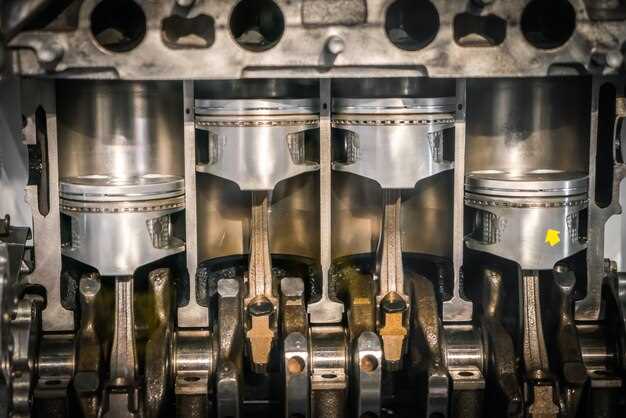
Selecting the appropriate headers for your Dodge Charger is crucial to optimizing performance and achieving the desired sound and aesthetic. The choice largely depends on your Charger’s model year, engine type, and your performance goals.
Firstly, identify your specific Dodge Charger model and its corresponding engine specifications. Headers come in various configurations, including shorty headers and long-tube headers. Shorty headers generally provide a quicker installation and better fit in limited spaces, while long-tube headers offer improved exhaust flow and performance gains, especially in higher RPM ranges.
Consider the material used in the headers as well. Options like stainless steel or mild steel can affect durability and resistance to corrosion. Stainless steel headers tend to last longer but may come at a higher price. Ensure the headers you choose have a suitable coating, like ceramic, to further enhance longevity and heat resistance.
The design of the headers is also important. Look for headers that are specifically engineered for your engine layout and performance needs. Options featuring equal-length tubing can provide balanced exhaust flow, contributing to better overall performance.
Finally, take into account the compatibility with your existing components, such as catalytic converters and exhaust systems. It is essential that the headers align well with these components to avoid potential fitting issues and exhaust leaks. Consulting with other Dodge Charger enthusiasts or performance shops can offer insights into the best headers suited for your particular model.
Step-by-Step Installation Process for Performance Headers
Installing performance headers on your Dodge Charger can significantly improve engine performance and sound. Follow these detailed steps to ensure a successful installation.
1. Gather Necessary Tools and Materials: Before starting, collect all required tools such as socket wrenches, torque wrench, screwdrivers, gaskets, header bolts, and safety equipment like gloves and goggles. Ensure you have the correct performance headers compatible with your specific Charger model.
2. Prepare the Vehicle: Park the Dodge Charger on a flat surface and engage the parking brake. Disconnect the battery by removing the negative terminal to prevent any electrical issues during installation.
3. Remove Stock Exhaust Manifold: Begin by removing the intake and any other components obstructing access to the exhaust manifold. Carefully detach the stock exhaust manifold by unscrewing the bolts and disconnecting any attached components like oxygen sensors. Keep track of all bolts and components removed for reinstallation.
4. Clean the Area: With the stock manifold removed, clean the engine block’s surface thoroughly to ensure a proper seal for the new headers. Any debris or old gasket material should be cleared away for optimal performance.
5. Install New Headers: Position the new performance headers in place. Ensure they align correctly with the exhaust ports on the engine block. Use the new gasket provided with the headers and begin securing them with the header bolts. Hand-tighten first, then use a torque wrench to fasten to the manufacturer’s recommended specifications.
6. Reattach Components: Once the headers are securely installed, reconnect any components that were removed, including oxygen sensors and intake parts. Ensure everything is tightened properly to prevent leaks or disconnections while driving.
7. Reconnect Battery: After reassembly, reconnect the vehicle’s battery by attaching the negative terminal. This step restores power to the vehicle’s electrical system.
8. Test the Installation: Start the engine and listen for any unusual sounds that might indicate improper installation. Check for exhaust leaks around the header area and ensure that all systems function correctly. Take the car for a short test drive to monitor performance improvements.
Following these steps will help you successfully install performance headers on your Dodge Charger, enhancing both efficiency and sound. Always refer to your headers’ specific installation manual for any unique requirements or additional steps relevant to your model.
Tuning Your Engine After Installing Headers for Optimal Performance

Once you have successfully installed performance headers on your Dodge Charger, the next critical step is to tune your engine. Proper tuning ensures that your vehicle achieves maximum efficiency and power from the newly installed headers.
The primary benefit of headers is that they improve exhaust flow, which can lead to increased horsepower and torque. However, to fully capitalize on these advantages, you must adjust the engine parameters accordingly. Here are essential steps to consider:
1. Reprogram the Engine Control Unit (ECU): The factory settings of the ECU are optimized for stock exhaust systems. After installing headers, it’s important to reprogram the ECU to recognize the new airflow characteristics. This often involves using a performance tuner or a reflash to update the air-fuel ratio and ignition timing.
2. Adjust Air-Fuel Ratio: With the improved flow from headers, the ideal air-fuel ratio will likely change. It’s crucial to ensure that the engine receives the right mixture to avoid running too lean or too rich, which can lead to performance issues or engine damage. Utilizing a wideband O2 sensor can help monitor and adjust this ratio effectively.
3. Monitor Engine Temperature: Increased performance can lead to higher engine temperatures. Ensure that your cooling system is adequately prepared to handle these changes. Consider upgrading your radiator or cooling fans if necessary.
4. Consider Additional Upgrades: Installing headers could be complemented with other performance parts such as a high-flow catalytic converter, an upgraded exhaust system, or an improved intake system. These modifications work in harmony with the headers and further enhance overall vehicle performance.
5. Dyno Testing: Finally, testing your vehicle on a dynamometer can provide invaluable data on how the current setup performs. This will highlight areas in need of adjustment and confirm that your tuning efforts are yielding the desired results.
By following these tuning steps post-header installation, you’ll ensure that your Dodge Charger runs not only efficiently but also at peak performance, allowing you to enjoy the full benefits of your modifications.


