

 by
by 
The Dodge Charger is renowned for its impressive power and unmistakable presence on the road, largely attributed to its powerful V8 engine. This article delves into the intricate mechanics of the V8 engine used in the Charger, which not only contributes to its performance but also defines the driving experience that enthusiasts have come to love.
At the heart of the Charger’s performance lies its V8 engine, a design celebrated for its ability to generate substantial horsepower and torque. Understanding how this engine operates can enhance one’s appreciation for automotive engineering and the thrill of driving a car that bridges the gap between luxury and raw power. From its configuration to the various components that work in harmony, the V8 engine signifies a commitment to performance that is central to the Charger’s identity.
This exploration will cover the basic workings of the V8 engine, including the role of its pistons, crankshaft, and other vital elements. By dissecting the mechanics of this powerhouse, we aim to shed light on the factors that contribute to its legendary status and the exhilarating performance characteristics it offers. For any car enthusiast or prospective owner, understanding the V8 is crucial to appreciating the full spectrum of what the Dodge Charger embodies.
Analyzing the Design Features of the V8 Engine in the Dodge Charger
The Dodge Charger has long been synonymous with American muscle, primarily due to its powerful V8 engine offerings. The design of the V8 engine is a critical factor that contributes to the performance and appeal of the Charger. Various features define its capability to deliver enhanced power and efficiency.
One notable aspect of the V8 engine is its configuration. The eight cylinders are arranged in a V formation, which allows for a more compact engine size while maintaining high power output. This design optimizes weight distribution within the vehicle, significantly improving handling and stability during acceleration.
Moreover, the V8 engines in the Charger often incorporate advanced technologies such as Variable Valve Timing (VVT). This feature allows the engine to adjust the timing of the intake and exhaust valves according to driving conditions, leading to better fuel efficiency and increased power across various RPM ranges. This versatility makes the Charger an excellent option for both daily driving and performance-oriented applications.
The incorporation of a robust cooling system in the V8 design is another highlight. Efficient heat management ensures that the engine operates within optimal temperature ranges, reducing the risk of overheating. This reliability not only sustains power output but also extends the longevity of the engine components, providing peace of mind to owners.
Additionally, the engine block and cylinder heads are typically constructed from durable materials like aluminum or cast iron, enhancing strength while keeping weight down. This engineering decision supports the overall performance goals of the Charger, allowing it to harness maximum power effectively.
Finally, the exhaust system integrated with the V8 engine is designed to minimize back pressure and enhance the engine’s sound. A well-tuned exhaust contributes to a responsive throttle and a more aggressive tone, adding to the exhilarating driving experience that the Dodge Charger is known for.
Evaluating Performance Metrics: Horsepower and Torque of the Charger V8
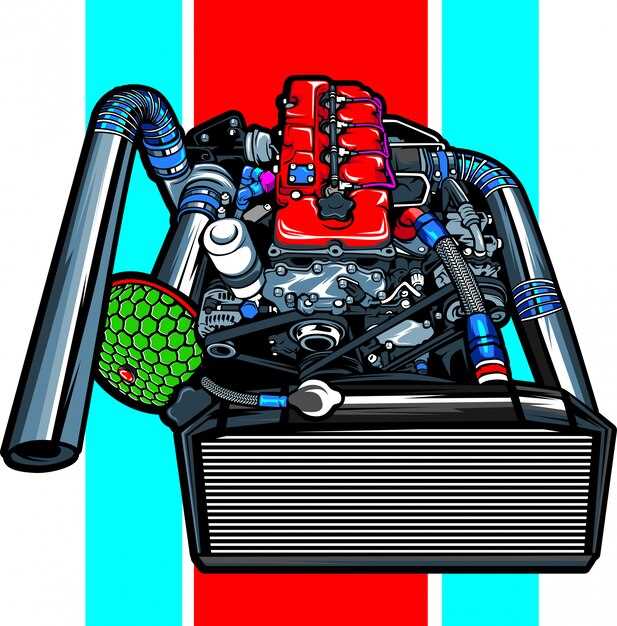
The Dodge Charger V8 engine is revered for its impressive performance metrics, particularly horsepower and torque. These parameters are critical for assessing the power and responsiveness of the vehicle, making them essential for any enthusiast or potential buyer evaluating the Charger.
Horsepower serves as a measure of the engine’s ability to do work over time. In the context of the Charger V8, figures can range significantly depending on the specific model and tuning. For example, the 6.4-liter HEMI V8 engine delivers around 485 horsepower, showcasing its capability to propel the vehicle at high speeds with ease. This level of horsepower contributes to the Charger’s reputation as a high-performance sedan, capable of competing with various sports cars.
Torque, on the other hand, measures the rotational force produced by the engine. It is particularly important for acceleration and overall driving dynamics. The Charger V8 engine typically produces substantial torque, often exceeding 470 lb-ft in models equipped with the 5.7-liter HEMI. This strong torque curve allows for substantial low-end power, making it ideal for quick starts and confident overtaking maneuvers on highways.
Understanding the balance between horsepower and torque is essential. While horsepower is important for achieving higher speeds, torque provides the necessary force to achieve quick accelerations. The Dodge Charger V8 engine effectively combines these attributes, allowing drivers to enjoy both linear acceleration and top-end performance.
In summary, evaluating the horsepower and torque of the Charger V8 reveals a powerful engine designed for thrilling performance and an exhilarating driving experience. These metrics not only reflect the engineering behind the vehicle but also enhance its appeal to enthusiasts who value power and responsiveness in their automotive choices.
Maintenance Tips for Optimizing the Lifespan of the Charger V8 Engine

To ensure the longevity and performance of your Dodge Charger V8 engine, regular maintenance is crucial. Here are essential tips to help you maintain its power and reliability.
1. Regular Oil Changes: Engine oil lubricates vital components and reduces friction. Change the oil every 5,000 to 7,500 miles, or follow the manufacturer’s recommendations. Use high-quality synthetic oil to enhance performance.
2. Monitor Fluid Levels: Regularly check and top off fluids, including coolant, transmission fluid, and brake fluid. Maintaining optimal fluid levels helps prevent overheating and promotes overall engine efficiency.
3. Replace Air Filters: A clean air filter ensures your V8 engine receives adequate airflow, enhancing combustion. Check and replace the air filter every 12,000 to 15,000 miles, or sooner if you drive in dusty conditions.
4. Inspect and Replace Spark Plugs: Spark plugs are vital for igniting the fuel-air mixture. Replace them according to the manufacturer’s schedule, typically around 30,000 to 100,000 miles, to maintain engine performance and fuel efficiency.
5. Keep the Cooling System in Check: The cooling system prevents engine overheating. Regularly inspect hoses and coolant levels. Flush the cooling system as recommended to remove any buildup and improve effectiveness.
6. Check for Leaks: Regularly inspect your engine for any signs of oil or fluid leaks. Early detection can prevent major issues and costly repairs. Pay attention to seals and gaskets, which can wear over time.
7. Maintain Battery Health: A strong battery is essential for starting your V8 engine. Check battery connections regularly, clean corrosion, and test the battery’s charge to ensure reliability.
8. Perform Regular Tune-Ups: Tune-ups can significantly enhance the performance of your engine. This includes checking ignition timing, fuel injectors, and exhaust systems to ensure they work harmoniously.
9. Drive Responsibly: Avoid rapid acceleration and heavy braking. Gentle driving habits conserve energy while reducing wear on engine components, thus extending the lifespan of your V8 engine.
10. Use High-Quality Fuel: Always fill your Charger with premium gasoline that meets the engine’s specifications. Quality fuel helps maintain engine power and prevents carbon buildup over time.
By implementing these maintenance tips, you can significantly improve the lifespan and efficiency of your Charger V8 engine, ensuring it continues to deliver impressive performance for years to come.


