

 by
by 
The automotive landscape is witnessing an electrifying showdown between two iconic vehicles: the classic Dodge Charger and the innovative Tesla Model 3. Each car represents a distinct philosophy in design and performance, catering to a diverse array of drivers. The Charger, known for its muscular presence and raw power, continues to embody the American muscle car spirit, while the Model 3 pushes the boundaries of modern technology and sustainability.
On one side, the Charger offers a heart-pounding performance with its robust engine options, delivering impressive horsepower and torque that appeals to enthusiasts who crave the thrill of speed on the open road. Its aggressive styling and bold lines make it a standout in any setting, turning heads with its commanding presence. In contrast, the Model 3 embraces a sleek, minimalist design that resonates with those who prioritize efficiency and innovation. With its advanced electric powertrain, the Model 3 accelerates with lightning speed while boasting an impressive range, appealing to eco-conscious drivers without sacrificing performance.
This article will delve deep into the specifications, performance metrics, and design philosophies of both the Dodge Charger and the Tesla Model 3, providing a comprehensive comparison that highlights the unique strengths and weaknesses of each vehicle. As we navigate this power and style showdown, we aim to help you understand which car truly reigns supreme in today’s dynamic automotive market.
Performance Specifications: Comparing Power and Acceleration
The performance capabilities of the Dodge Charger and Tesla Model 3 exhibit distinct characteristics that cater to different driving preferences. The Dodge Charger, particularly in its higher trims, is equipped with a range of powerful V8 engines. For instance, the Charger R/T features a robust 5.7-liter HEMI V8, producing around 370 horsepower and offering a thrilling acceleration from 0 to 60 mph in just approximately 5.2 seconds. In contrast, the Charger SRT Hellcat, with its supercharged 6.2-liter V8, takes performance to another level, boasting a staggering 707 horsepower and achieving 0 to 60 mph in a blistering 3.6 seconds.
On the other hand, the Tesla Model 3 is known for its electric powertrain dynamics and instant torque delivery. The Model 3 Performance variant offers dual motors, generating up to 450 horsepower. This enables superior acceleration, with a remarkable 0 to 60 mph time of just 3.1 seconds. The electric nature of the Model 3 underscores its efficiency, offering a different driving experience focused on smoothness and responsiveness.
In summary, the Charger emphasizes raw power and traditional muscle car characteristics, while the Tesla Model 3 showcases advanced electric performance with rapid acceleration capabilities. Both vehicles cater to unique driver preferences, making the choice largely dependent on one’s priority between raw power and innovative electric technology.
Design Elements: Evaluating Exterior and Interior Aesthetics
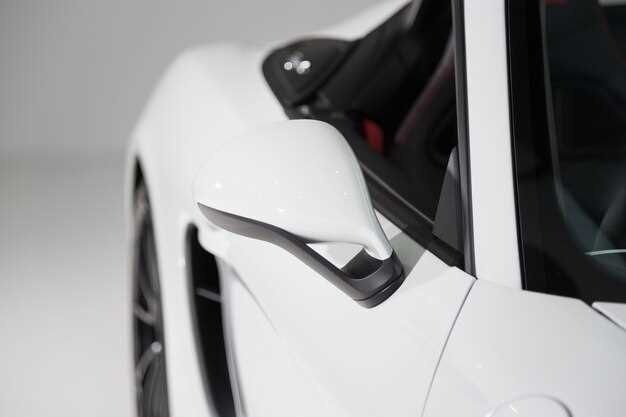
The Dodge Charger boasts a muscular and aggressive exterior design that captures the essence of American muscle cars. Its wide stance, sculpted lines, and signature grille exude confidence and power. The bold LED headlights and rear taillights enhance its modern appeal, while the overall silhouette screams performance. The Charger’s long hood and short rear deck create a dynamic profile that is both sporty and iconic.
In contrast, the Tesla Model 3 employs a minimalist and sleek design language that reflects its electric heritage. The smooth, aerodynamic shape reduces drag, promoting efficiency. The absence of a traditional grille emphasizes its forward-thinking nature, while the clean lines and rounded edges give it a unique identity. The Model 3’s design is functional, with carefully crafted features focused on enhancing performance and range.
Inside, the Dodge Charger offers a driver-centric cockpit with a blend of sporty and comfortable elements. High-quality materials, available leather upholstery, and optional performance seats create an inviting atmosphere. The tech integration, including a large touchscreen display, adds modernity to its classic appeal.
The Tesla Model 3 takes a radically different approach to interior design with its minimalist aesthetics. A single, large touchscreen dominates the dashboard, controlling nearly all vehicle functions. This design choice eliminates clutter and enhances the futuristic appeal. The cabin features premium materials, spacious seating, and large windows, providing a bright and airy feel that contrasts with the Charger’s robust interior.
Both vehicles present distinct design philosophies. While the Charger revels in its powerful stance and traditional muscle car elements, the Model 3 represents a new era of design focused on simplicity and innovation. The choice between them ultimately depends on personal preference for style, driving experience, and the emotive connection one seeks with their vehicle.
Cost of Ownership: Analyzing Fuel, Maintenance, and Insurance Expenses
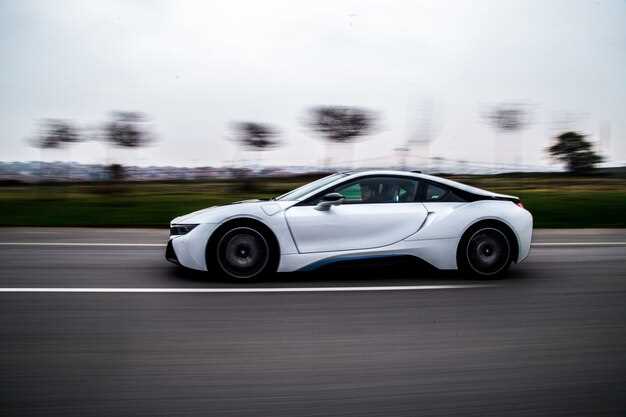
When considering the Dodge Charger and the Tesla Model 3, evaluating the cost of ownership is crucial. Both vehicles present unique costs in terms of fuel, maintenance, and insurance, impacting the overall financial commitment for potential owners.
Fuel Costs: The Dodge Charger, equipped with a gasoline engine, typically consumes significantly more fuel compared to the electric Tesla Model 3. For example, the Charger can average around 20 miles per gallon, depending on the engine choice. In contrast, the Tesla relies on electricity, with an average cost of around $0.13 per kilowatt-hour. This often yields a much lower cost per mile, making the Tesla a more economical choice for long-term fuel expenses.
Maintenance Expenses: The Dodge Charger generally incurs higher maintenance costs due to its complex engine and associated components. Regular oil changes, brake pad replacements, and exhaust system repairs can add up over time. On the other hand, the Tesla Model 3 requires less frequent maintenance since it has fewer moving parts and does not need oil changes. However, battery maintenance and any potential software updates should be considered, although they are typically less costly than traditional repairs.
Insurance Costs: Insurance premiums for the Dodge Charger may be higher due to its classification as a performance vehicle, which can attract more claims. In contrast, while the Tesla Model 3 is also considered a high-value car, many insurance companies recognize its advanced safety features, potentially lowering rates for many drivers. Furthermore, the Tesla offers specific insurance options that can further reduce costs for owners.
In conclusion, when analyzing the cost of ownership between the Dodge Charger and the Tesla Model 3, the differences in fuel, maintenance, and insurance clearly illustrate the long-term financial implications associated with each vehicle. The Charger may appeal to those seeking power and performance, while the Model 3 provides a more sustainable and cost-effective ownership experience.


